Preventing Damage to Wooden Gates Due to Freeze and Thaw Cycles


- Gates
- Railings
- Fencing
- Accessories
& Fitting- Sheds
& Storage- Garden Structures
- Design
& Style
The kind of weather that is gripping the UK right now is exactly what causes wooden gates to deteriorate much faster than anything else or any other element. When the temperatures drop to below 10°C and then rise above freezing when the sun is out, it is nothing short of a perfect storm when it comes to wrecking wood.
The freeze/thaw cycle is based on water expansion inside wood. Water expands by some 9% with freezing. It is this expansion force that breaks down wood fibres. It is now hot, and water turns to ice, while additional water enters into the already weakened wood. The process continues through the year too. By spring, these gate structures, with repeated freeze/thaw cycles in January and February, develop weaknesses and physical breaks not there in December.
The kind of maintenance you provide for your wooden gates during the next week, while the cold weather is still with us, is crucial in determining whether you will be faced with repair costs in March.
Comprehending the Threat Plainly
Freeze-thaw damage represents a wholly different process from other types of weathering. The presence of water on the surface, due to rain, causes slow deterioration over a period of years.
This is a mechanical, not a chemical, damage process. The growing ice crystals in the timber exert a mechanical pressure on the wood fibres, separating them. The strength generated is so great that it can split concrete and stone, to say nothing of timber. Timber stands no chance against it.
Damage is concentrated where vulnerabilities are. End grain holds water most rapidly and is most adversely affected. If bottoms rest near the ground, they will remain wet the longest. Water accumulation occurs on horizontal surfaces. Where separate pieces of wood meet, water becomes trapped. These areas will fail first under the action of freezing and thawing.
It could be that the gates, which appeared to be in good condition throughout the autumn, could develop severe issues during one strong freeze, such as the one that we are seeing at the moment. This is because the ten freeze/thaw cycles that happen in two weeks are worse than an entire winter’s worth of freeze/thaw cycles combined.
Actions to Take This Week
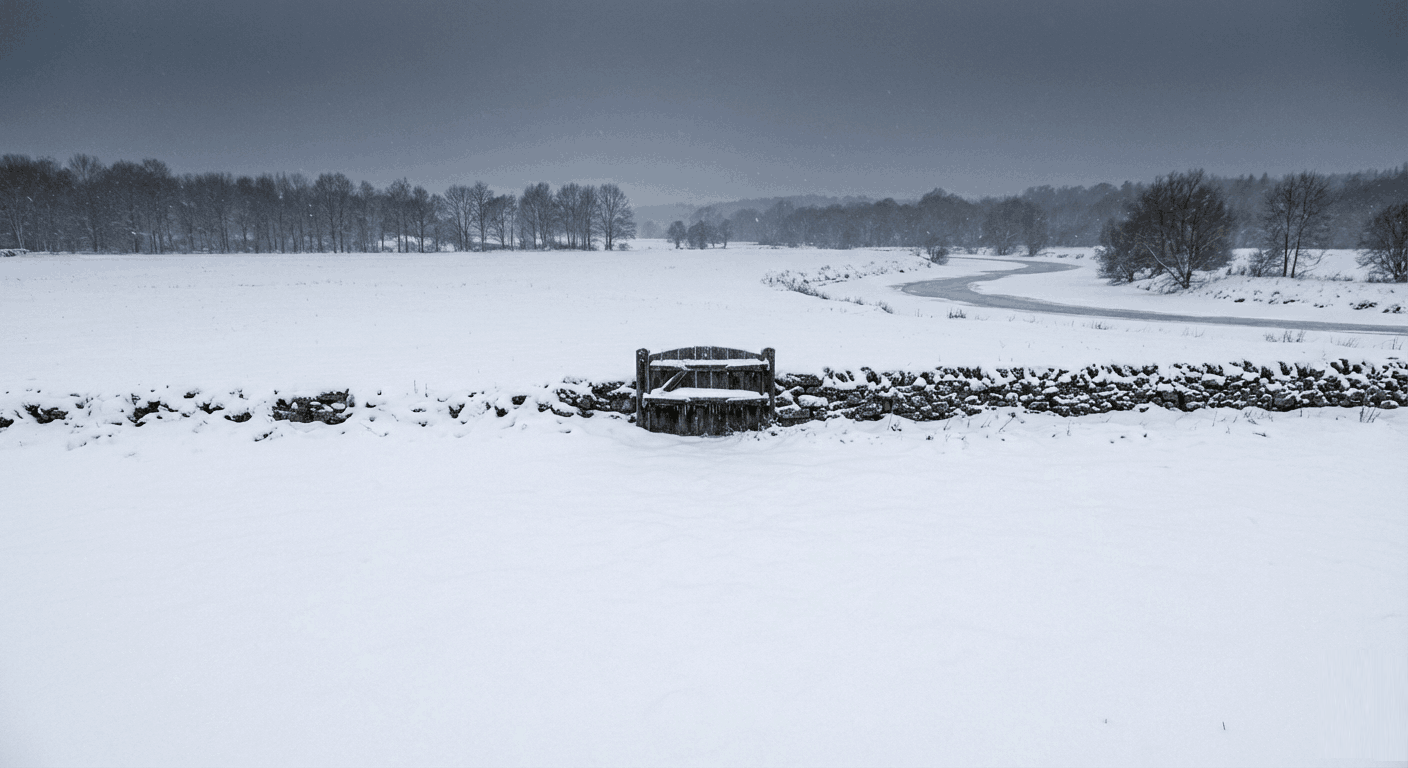
The forecast indicates temperatures below freezing at night at least into next week. Day temperatures rising only a little above freezing. That is the perfect conditions for freeze and thaw. Take action now, do not wait until damage is visible.
Clear Standing Water
Water collects on gates at areas such as top rails, ledges running horizontally, and any other feature running upwards. Water collected will freeze tomorrow night. Ice will expand and cause wood to crack.
Remove any standing water with a brush or wipe it away by hand. Areas where melted snow has pooled after noon will definitely be ice by morning.
Examine joints and gaps between wood materials. Pockets of water reside in areas where water can collect in crevices. Use a cloth/sponge to drain water from joints before it has a chance to freeze.
Protecting the Bottom Rails
The bottom rail has the greatest danger of freezing and thawing. It is closest to the moisture on the ground. Snow against gates melts and enters bottom timbers during the day, and freezes hard at night.
Remove snow from the bases of the gates. Open a gap between snow and the wood. This is all it takes to prevent meltwater from penetrating end grain.
See if your bottom rails are sitting in puddles or water-soaked ground. The combination of moisture and freezing temperatures is a sure recipe for disaster. Wherever possible, try to improve drainage around your gates. It doesn’t matter if it is temporary; you can dig little channels to direct the water flow.
Determine if there is existing moisture
Press your palm firmly against various sections of the gate. What you should get is that damp wood feels chill to the touch, while in the area where you press, the wood may even darken. Dry wood, on the other hand, is warmer to the touch
Timber that is already water-soaked requires attention quickly. Saturated timber that freezes tonight will experience damage internally. If possible, remove water from saturated areas by using absorbent cloths. The drier the timber before tonight's freeze, the better.
The ends of the wood absorb lots of water; they behave like sponges. They are also most affected by the freezing/thawing process. Dry these ends as much as possible.
Reduce Moisture Exposure
Anything that results in gates becoming wetter than they should be needs attention. Overhanging plants drip onto gates. Clogged gutters result in overflow, which reaches gates. With such constant moisture exposure and freezing temperatures, deterioration accelerates.
Cut back any vegetation that grows near the gates. Remove any ivy or climbing plants. These tend to hold water against the timber for prolonged periods.
Inspect nearby gutters and downspouts. If they're dripping water onto gates, clear obstructions. Every time water freezes on wood, harm is done.
Examine Vulnerable Areas
Examine closely the areas most vulnerable to freeze/thaw action:
Joints and fixings – Water can become trapped between screws, bolts, or joints, which will expand with freezing. Look out for joints opening up. Remove moisture from around all metal fixings.
End grain - Timber ends take up moisture the quickest. This requires most protection. If possible, end grain should receive temporary water-repelling protection. Covering with plastic sheeting for the next week will be beneficial.
Decorative features – Carvings, routed designs, or applied moulding hold water. Inspect all decorative features for presence of water.
Prior Damage - Existing cracks or splits are bound to deteriorate further under the freeze-thaw process. This happens because the water infiltrates the cracks and expands when it freezes, thereby opening the cracks even wider. Tiny cracks can easily develop into splits.
What Not to Do
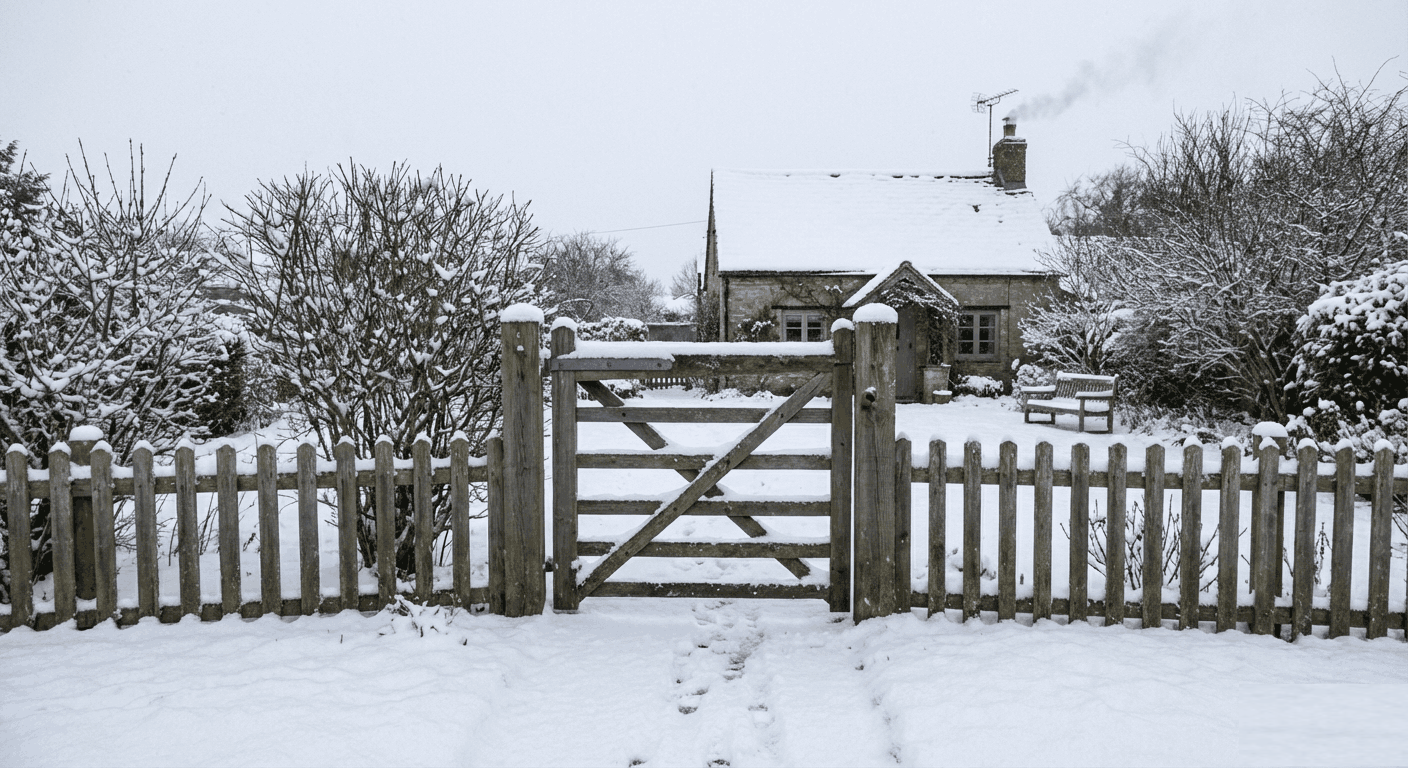
A number of ways that people usually react to freezing conditions are causing more damage instead of preventing it.
Do not use oils or treatments on wet wood. The oils will merely retain the moisture within the wood rather than protecting it from the moisture. Wait for dry conditions to treat the wood.
Do not force frozen gates open aggressively. Wooden materials will become brittle when frozen. Too much force may cause joints to break, while some pieces may snap. Hopefully, you can open stuck gates easily, either by gently trying to open it or by waiting for temperatures to warm up.
Don’t neglect small issues, thinking you can take care of them in Spring when freeze-thaw damage happens exponentially and small problems quickly escalate to big ones in February.
Avoid using heat guns or hot water to thaw the frozen parts. Sudden changes in temperature will result in the cracking of wood. Allow the frozen parts of the cabinet to thaw on their own.
Planning for Next Week
What the weather forecast indicates is that the cold wave will extend at least until the middle of January. This implies that there are still freeze/thaw cycles to be experienced. The actions performed throughout the week should be repeated.
Try to check gates daily. Remove snow that has accumulated. Remove new standing water if possible. Check regions that were damp.
When warmer temperatures are reached during the daytime, moisture is seen on the gates due to the melting of either snow or frost. This is the most appropriate time to remove it before the night sets in and freezing occurs.
Look out for emerging damage. Small cracks at this point in time can become more severe with each passing freeze-thaw cycle. Take note of their positions. Take a photograph if possible.
When Professional Assessment Makes Sense
Gates that are already showing signs of splits or other movement may require expert assessment. Freezing and thawing will massively exacerbate existing difficulties.
Freeze/thaw action can cause a problem if the bottom rails are showing soft wood or signs of rot. Such damaged areas may not be able to withstand the freezing process. Professional evaluation can assess whether repair work can prevent a total failure.
The gates that were barely holding together as they went into winter can easily tip past the point of replacement after hard freeze/thaw events. If you were already thinking that the gates were temporary anyway, than this might be the defining event.
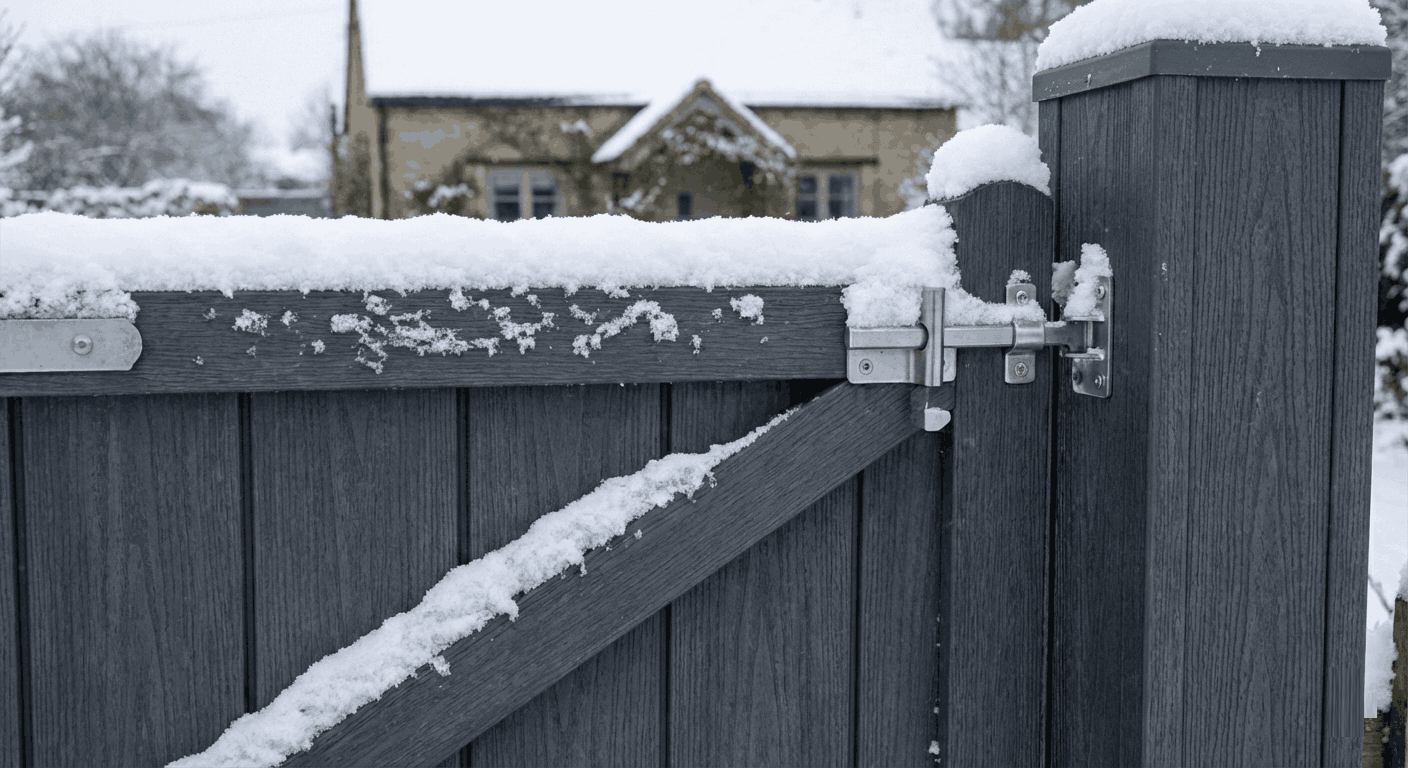
Freeze-Thaw in Reality
To prevent damage to wood gates from “freeze-thaw cycles,” it’s not hard, only requires attention while it’s occurring. The problem involves water sitting in or on the wood when it gets below freezing.
Turn handles dry. Keep gates dry. Remove standing water. Minimize being wet. Check vulnerable areas frequently during the current chill.
These small deeds will never eliminate freeze/thaw damage but will certainly minimize it. Gates which have received attention will withstand the winter months successfully. The unattended ones will display severe damage during springtime.
What you do this week is far more important than anything else that has come before for the preservation of the gates.
As a company that specialises in garden gates, we've seen firsthand what happens when there is a tough winter. Gates that are properly maintained will last for decades, while ones that aren't will fail in a matter of years. It is not the quality of the gate, it is how well it is maintained when extreme weather hits, such as what is happening now.
- Railings